
AI & Computer Vision
Advanced AI-assisted object detection and classification.
Vision models distinguish aerial objects from background clutter, with human operators remaining in the loop for interpretation and decision-making.
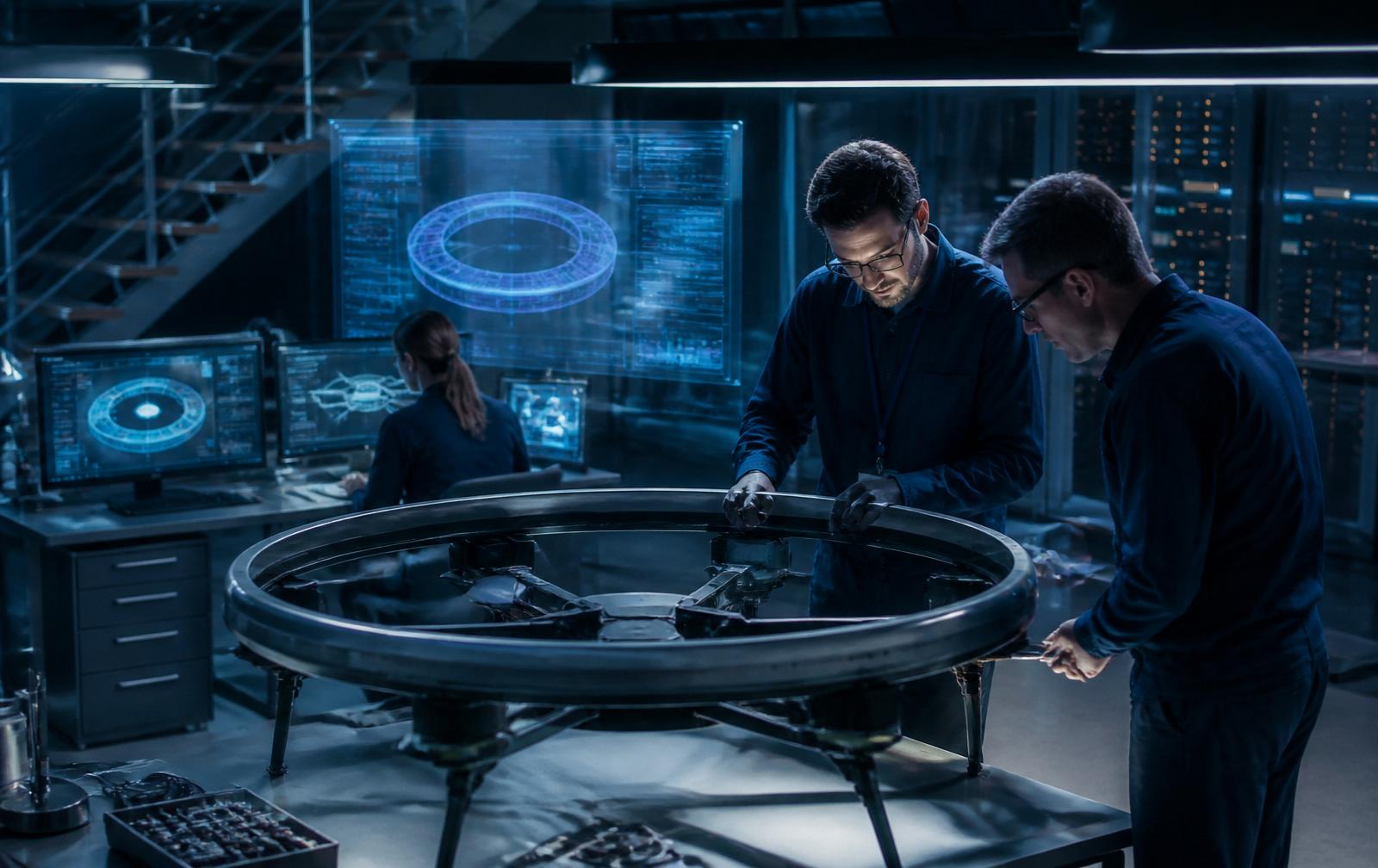
Flexiview Group develops technology that turns distributed sensing into a clear, real-time understanding of the airspace — with people in the loop.
Each area is an active research and development track, not a finished commercial capability.
Advanced AI-assisted object detection and classification.
Vision models distinguish aerial objects from background clutter, with human operators remaining in the loop for interpretation and decision-making.
Combining multiple data sources to create a clearer picture of the airspace.
Optical, thermal, positional, and inertial inputs are correlated into a single track picture, reducing ambiguity from any individual sensor.
Processing data closer to the point of collection for responsive analytics.
On-platform compute is intended to reduce round-trip latency and bandwidth dependency for time-sensitive analytics.
Intelligent platforms delivering persistent monitoring in the field.
Autonomy covers stabilization, station-keeping, and health management — always within authorized, supervised operating envelopes.
Transforming raw sensor data into actionable situational awareness.
Event pipelines are designed to surface what matters: new tracks, unusual behaviour, and changes in the operational picture.
Designed for resilient data exchange between platforms and operators.
Encrypted, redundant links are part of the architecture study for telemetry, video, and command interfaces.
Distributed sensors observe the surrounding airspace.
AI-assisted systems analyze and classify detected objects.
Objects of interest can be monitored over time.
Data is fused into a unified operational picture.
Operators receive real-time information and alerts.